
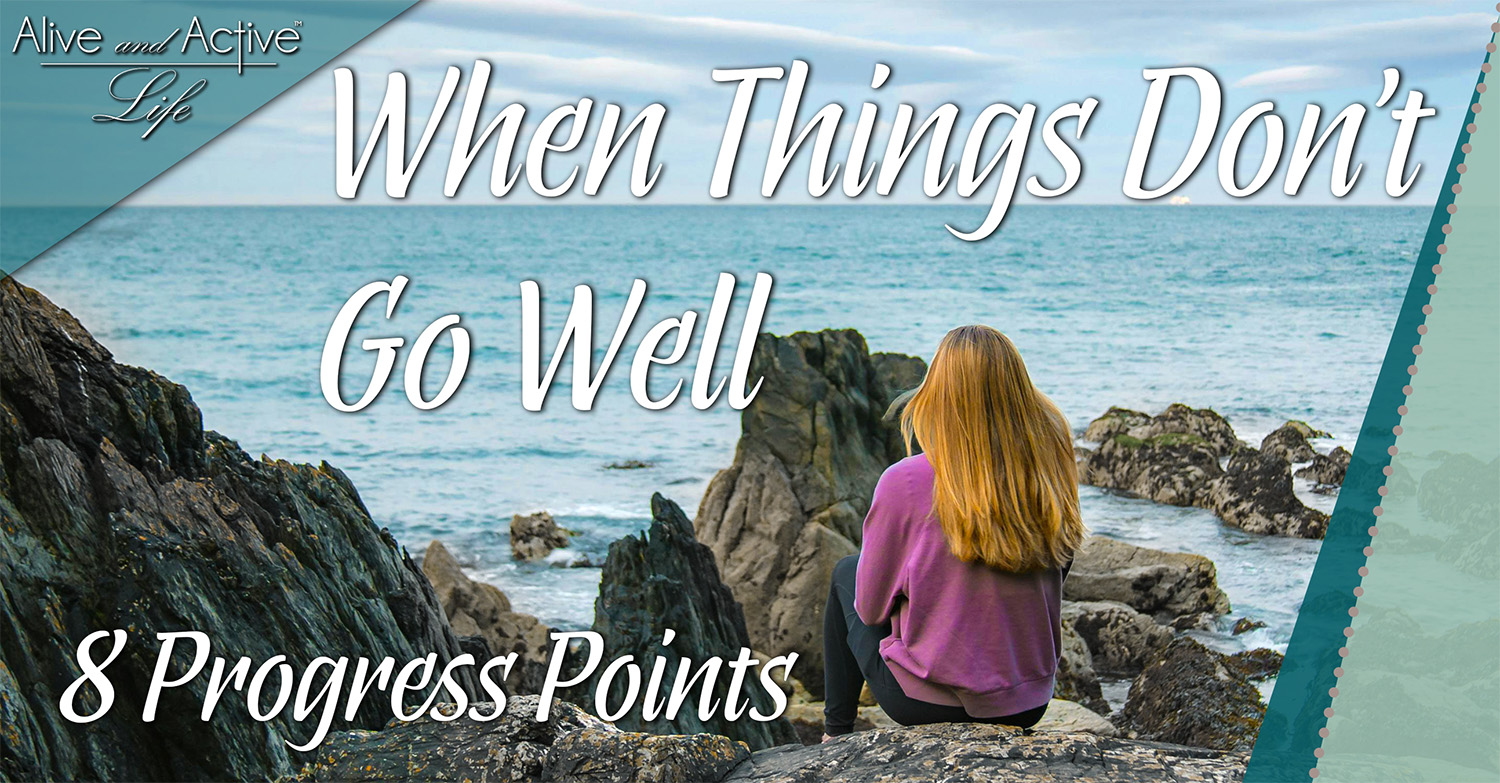
If you are reading this at the beginning of your day, you have no idea how today will look. If it’s the end of your day, you might be pleased – or rather disappointed – depending on how things went. So often, life does not meet people’s expectations. Many times, you must make allowances and adjustments. Especially, when things don’t go well.
Different Kinds Of People
When I look around, I see many different kinds of people running every direction.
 Some look breathless, frazzled, short on energy, and ready to drop.
- I also notice some who seem to be in a trance – “not all there.”
- Then there’s the fellow who struts along aimlessly and just doesn’t care anymore. He thinks life is a rip-off.
Then, every once-in-awhile, I see a person that stands out. They –
- Are purposeful.
- Have a plan, and working it.
- Are focused.
- “Leak” a pleasant demeanor.
- Have a peaceful expression and smile.
- Are kind and not frenzied, respectful and not abusive.
- Have priorities in order.
- Side-step distractions and insults.
- Take a short rest when needed.
- Seem thoughtful – and “well-thought.”
These rare people appear to run a good race each day, even when things don’t go well.
When Things Don’t Go Well
Incidentally, the fact – “when things don’t go well” – seemingly becomes a recurring piece of daily life.
What are some things that don’t go well?
- The weather doesn’t cooperate with special plans.
- Embarrassingly, you burn dinner.
- Unfortunately, you run out of a grocery item – and you just got back from the store!
- You face unexpected financial expenditures from a crisis.
- Frankly, just a flat tire or a failed engine means no transportation for a couple days.
- Tragically, a terrible storm sweeps through and decimates your property and neighborhood.
- Disappointingly, the tests come back and show cancer or some other health condition.
- Unthinkably, a dear friend or family member dies suddenly.
- Although you tried very hard, you run out of time and energy to meet a goal.
- Bitterly, a person (you thought you could trust) betrays you.
I’m confident you could add more things that don’t go well.
However, it’s time to turn thoughts to hope.
Hope When Things Don’t Go Well
 Clearly, it’s hard enough to respond admirably when things don’t go well. However, when there’s a pile-up of things that don’t go well, it takes an Olympic effort to push through and manage it all.
Further, while all this is going on, other things are still true.
- Life still has much good in it.
- There are people who still need you to “be you.”
- Your life is filled with blessings. So, start counting them.
- God loves you and has a purpose for your life.
- God gives you hope. He’s the source of hope.
Before looking at 8 progress points, remember this – life is training.
Life Is Training
Just as athletes train, you should train for your life race. Actually, it matters what you do each day. Plus, it matters how you do it. In other words, be informed and have healthy purpose. Essentially, live each day as God intended. Incidentally, this includes both strategies and rest.
Life is training – to be the person God designed. Frankly, connecting with His plan helps you accomplish what He has in mind for your time on earth. Remarkably, that is always something very good.
To train well takes deliberate alertness and focus. Further, you need well-thought strategies. Incidentally, your time, energy, resources, and priorities matter. Sometimes, you need to change some things for successful results.
Get Beyond Elementary Skills When Things Don’t Go Well
In every area of learning, there are elementary skills and trainings. For example, for the –
- Athlete – running laps and toning exercises.
- Mathematician – remembering basic math facts.
- Medical professional – blood pressure and heart beat.
- Homemaker – cleaning sinks, preparing food, decorating, and staying in budget.
- Business person – knowing principles of healthy corporations and how to build connections.

Similarly, there are elementary skills and trainings for a Christian –
- Repentance.
- Forgiveness.
- Faith in God.
- Baptism.
- Prayer.
- Knowing and applying Scripture.
- The promise of eternal life, etc.
Frankly, the person who never gets beyond basic skills remains at an elementary level. They are a beginner – not a seasoned veteran.
Beginners need clear-cut, concrete, constructive basics. However, the veteran is practiced in basics of faith. Plus, they know maneuvers to navigate challenges of life successfully.
Progress Points To Help You Grow Up
How do you move from basics to being seasoned? The following progress points escort you out of basics into maturity. By progress points, I mean points that give you progress.

1. Decisions
You must decide to move from basics to deeper skill levels. Plus, you decide to move into maturity by embracing progress points. Instead of talking, you start doing. It doesn’t just happen.
Decisions take work!
2. Commitment
Notice where you are and where you need to be. What gets you to the next level? Select principles and “success keys” – and commit to them. In other words, practice them.
Commitment takes work!
3. Discipline
Truly, it takes discipline to keep carrying out a plan to meet your goals. Interestingly, discipline launches your life to the next level – becoming seasoned. Refuse discouragement when you fail. Stick to it.
Discipline takes work!
 4. Desire
Interestingly, a relationship with Jesus includes desire. Specifically, things like –
- Energy and effort applied in daily responsibilities and activities.
- Getting into God’s Word every day.
- Keeping relationships healthy.
- Working at well-being.
Those kinds of pursuits involve desire. Not that you actually “want” them, necessarily. Rather, you choose them because they are good. Eventually, they become a desire. Essentially, you nurture your desires to promote mature, balanced health.
Desire is nurtured as it is practiced.
5. Prayer
Did you know when you listen and talk to Jesus, you grow healthier? Actually, the element of prayer is involved in every healthy endeavor.
Prayer is the personal involvement of your walk with God. Additionally, prayer is –
- Pursuing God,
- Seeking His interests,
- Getting to know His great heart,
- Loving Him.
- Actually, it’s being hungry and thirsty for Him. (Mt. 5:6)
Prayer takes work!
6. Scripture
 Incidentally, did you know the study of Scriptures provides the guidance you need in every situation? Of course, you may also need another person with experience. Nevertheless, the study of God’s Word puts you in direct contact with God’s promises, commands, and leadings.
These things help Scripture “land” in your life:
- Read it.
- Journal about what you read.
- Meditate – ponder what that looks like in your life.
- Memorize for immediate access.
- Creatively, set out a possible path.
Studying Scripture takes work!
7. Faith
Simply put, choose to believe God’s Word. He’s doing amazing work in unseen dimensions of your life. Trust Him and persevere in faith. The more you practice faith in God, the more you resemble Jesus.
Did you know it’s impossible to please God without faith? Check out Heb. 11:6. Conclusively, intimacy with Jesus rests on your faith in Him.
Faith takes work!
8. Obedience
Truly, it’s an understatement that all these progress points can happen without obedience. Yes, obedience proves you love God. Plus, it shows you honor Him. Further, resolve to obey even challenging commands in the hardest situations proves you mean business in your relationship with Jesus.
Obedience also takes work!
Once you follow these 8 progress points, it only makes sense to look at your priorities.
Your Priorities
By the way, figuring out your priorities requires thought involving your heart.
- First, start by prayerfully identifying investments of your time, energy, and resources.
- Next, list what you normally carry out.
- After that, decide how to strategically pursue what matters. What pleases God.
- Plus, don’t bite off more than you can accomplish.
- Finally, make sure your life priorities match God’s. They should seamlessly agree with Scripture.

Application Thoughts And Questions
- Think about times in your life when things didn’t go well. What kinds of thoughts and feelings did you have?
- Do you see life as a training ground?
- Have you been using progress points?
 What are the 8 progress points that really help you?
-
- Decisions.
- Commitment.
- Discipline.
- Desire.
- Prayer.
- Scripture.
- Faith.
- Obedience.
-
- Which of these progress points are most challenging for you?
- What priorities do you have? Do you need to change any of them to match God’s – to agree with Scripture?
- What are you doing to be the person God designed?
- Why not go after God’s agenda?
-
- Train hard.
- Rest regularly.
- Evaluate the 8 progress points.
- Enjoy God’s love and His blessings.
- Most important, say “thank You” often to God.
-
 * Portions of this content come from my book – e-Pistles For An i-
 Generation Relevant In A Digital Age – a devotional book that takes you through 1 and 2 Corinthians. ALSO – from my book Shadows of Things To Come – a study in Hebrews. In both books, you’ll find practical action points that help you know God better and nurture personal growth. You can find this book in our bookstore: www.aliveandactivelife.org/store.
I invite you to follow us on your favorite social media. Do sign up on our email list to receive weekly articles. PLUS tune-in to our weekly podcast using your preferred podcast app or use our online player at the top of each article.
Visit our website for resources to get into God’s Word and live an Alive and Active Life.