
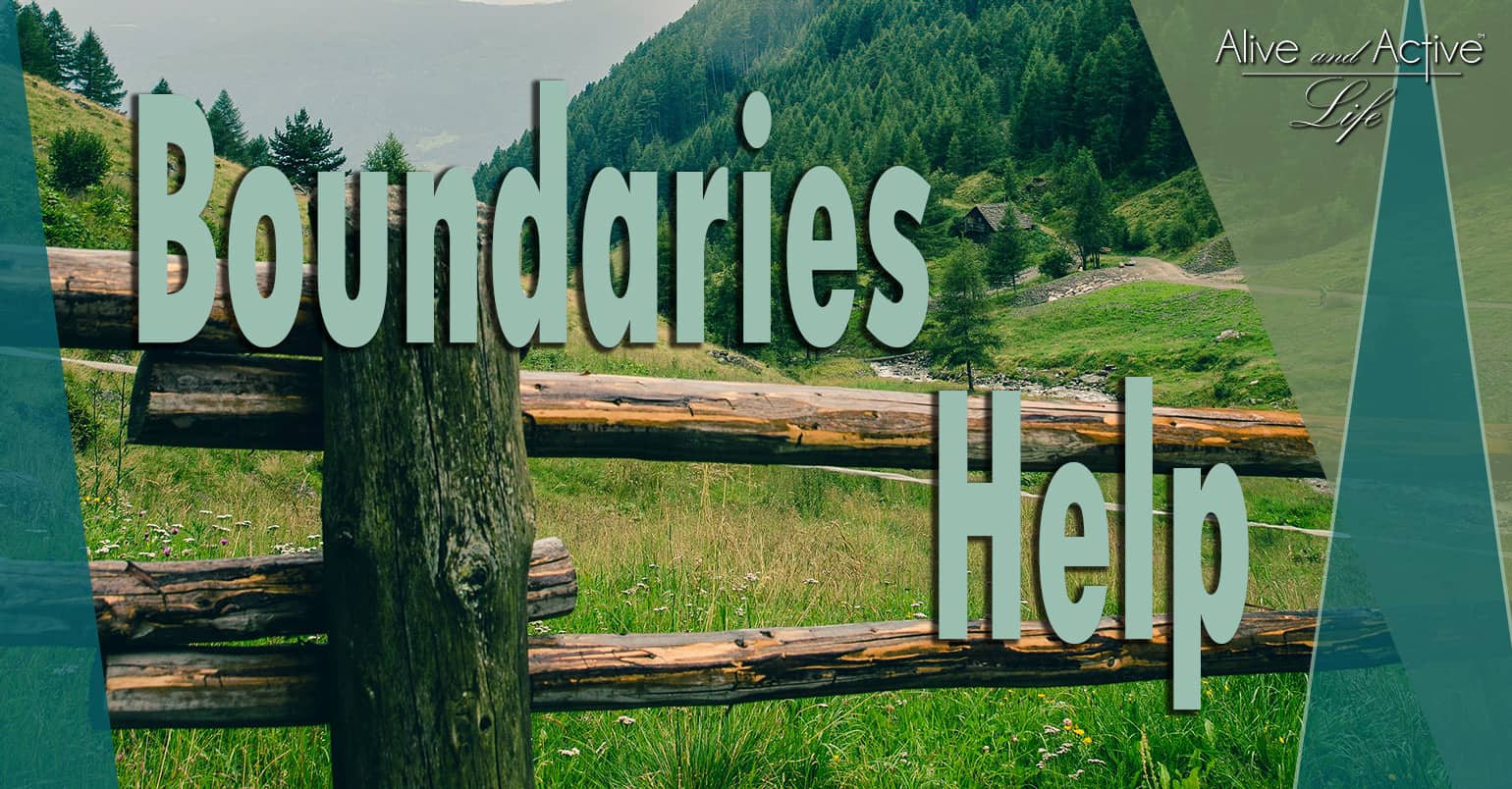
We live with boundaries every day. Some examples: Your yard ends, and the neighbor’s yard begins. Countries have boundaries to define territory. Speed limits keep traffic in check to prevent accidents. The zoo has walls, cages, and glass to keep children safe as they enjoy animals. Walls and doors form rooms – helpful when you need to sleep or take a shower. Banks with safes protect money. Oceans caress the beach only to a certain distance. If boundaries are so common all around us, then why is it hard to place and keep boundaries to protect our hearts and minds? Afterall, boundaries help.
Boundaries Help
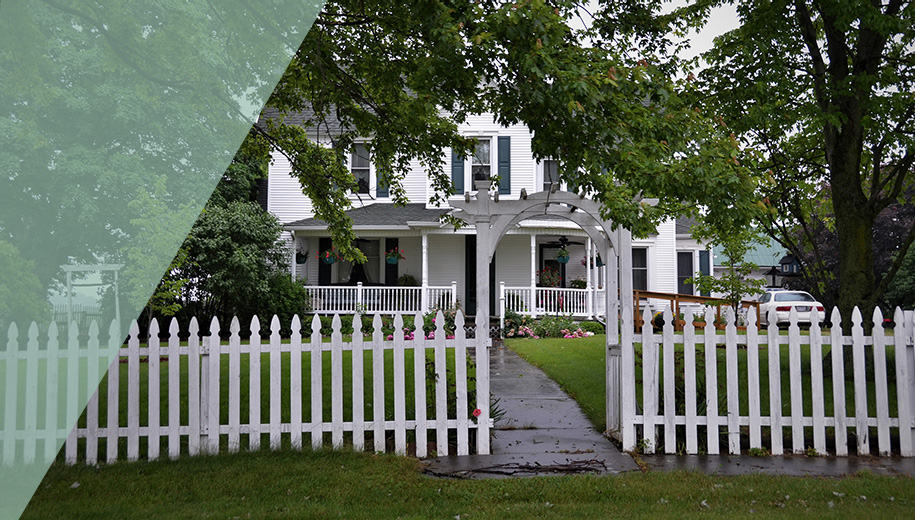 Simply put – boundaries keep the bad out and the good in. By defining lines, they help people manage physical life properties, inner issues, and relationships. Healthy, mature people spend time putting good boundaries into place. They also respect other’s boundaries. Subsequently, this is the reality of healthy boundaries.
On the other hand, some boundaries keep good out and bad in. How tragic! For various reasons, some people live with this reality and suffer unnecessarily. Since this is both avoidable and unhealthy, you can create a new scenario to keep good in and bad out.
So, if you have unhealthy boundaries, there is hope for change with a little strategy.
Boundary Illustration
When God told the Israelites to build a tabernacle, He was very specific with building blueprints. There were specific boundaries to the structure. Outer and Inner Courts of the tabernacle allowed access to many people. The Holy Place only allowed priests to enter. And the Holy of Holies (Most Holy Place) allowed only the high priest to enter only once a year. It was a very sacred place, not to be trespassed. Exodus 26:32-34 talks about the actual boundary between The Holy Place and The Most Holy Place.
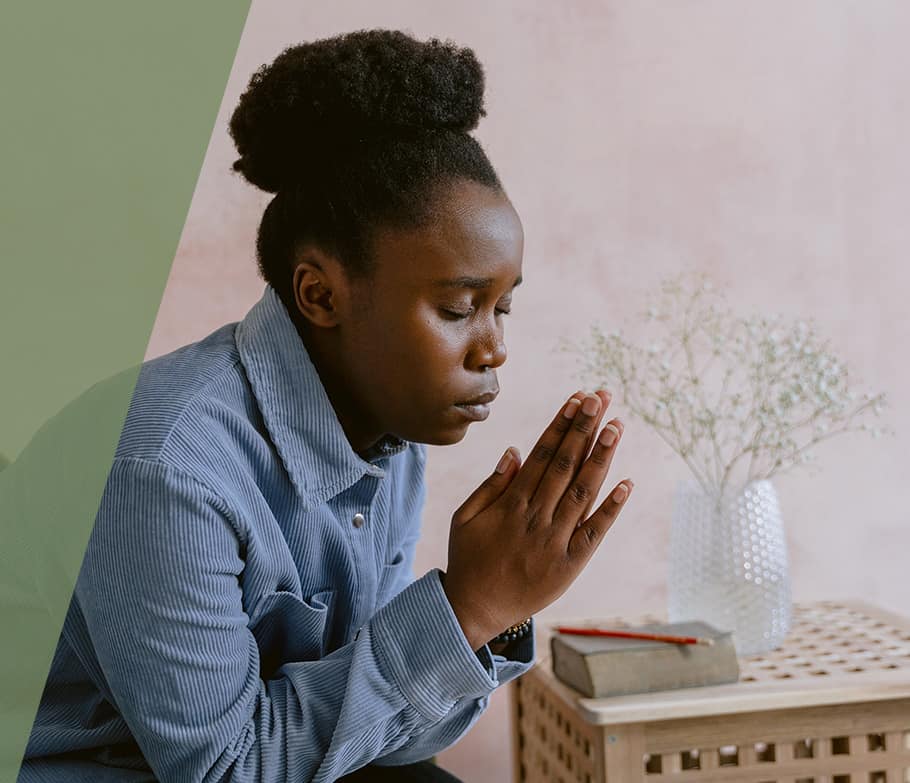 The tabernacle gives a model for setting godly boundaries in your life. It’s especially helpful with relationships. God, Himself, set clear boundaries of who could access sections of the tabernacle – His dwelling place among men. And since He now lives in the hearts of those who trust Him, His tabernacle is now YOU!
Have you established Outer and Inner Courts in your life? Do you have reasonable boundaries for your Holy Place? And have you set thoughtful limits to who is allowed into your personal Holy of Holies? Remember: boundaries help.
If God was so precise and careful with the boundaries of His tabernacle, why would you not be equally careful with boundaries of your life? Especially considering you are God’s temple. 1 Cor. 3:16 says, “Don’t you know that you are God’s temple and that God’s Spirit lives in you?”
What specific actions do you need to implement to set up healthy boundaries in every section of your life?
Boundaries Help You
Because your Life Courts allow many people access during your day, you must pensively set appropriate expectations. People come and go as activities and responsibilities are carried out. A variety of relationships is enriching. It’s community. Yet, careful awareness is always critical.
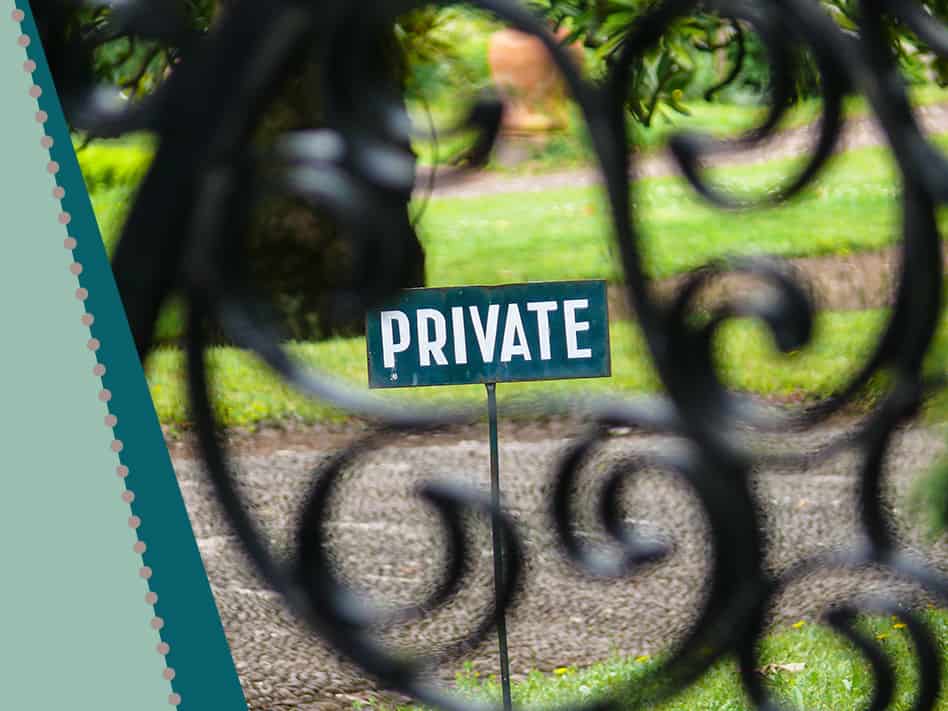 Consequently, the Holy Place of your life funnels access to only people who are faithful and trustworthy. These relationships encourage you and provide growth opportunities. They support and challenge you, providing sharpening and enrichment. The “general public” of the courts, the Outer and Inner Courts, is not allowed in this place of your life.
Since the Holy of Holies is a very special place of your life, it is strictly reserved for God and a few intimate relationships that are safe and healthy. This is the place where those who love you deeply and without condition are allowed free access. Because they want you to fully be who God created, they help you live creatively and artfully.
Subsequently, as God’s sacred dwelling, give thought and prayer to boundaries of your life and relationships because you are the one who sets your boundaries.
Your Self-Image and God
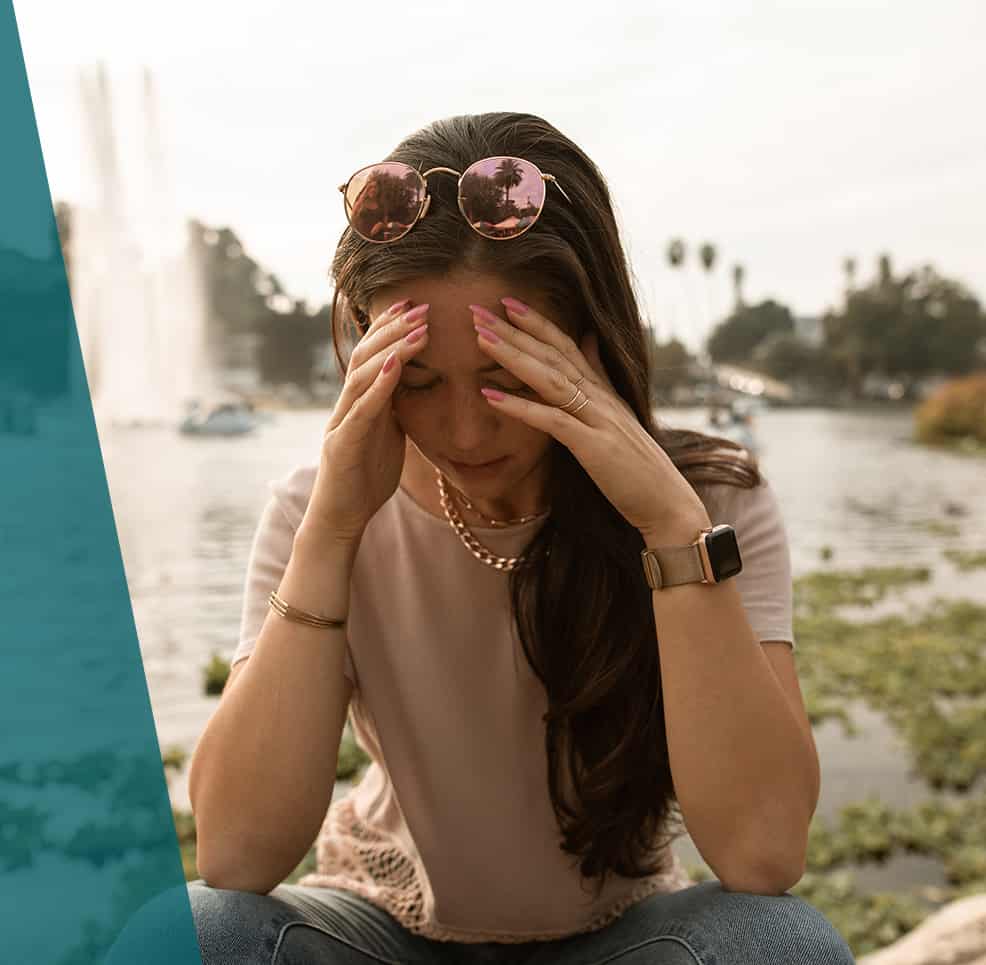 Since you are manager of your life, frequently ponder what needs boundaries. Is it hard for you to set boundaries?
- Perhaps it’s confusing to identify where certain things end and begin.
- You may also be unsure how to function At Your Edge – or even where you edge is.
- Do you struggle to protect your time, schedule, money, and energy?
- Do you feel you owe an apology when you must deny access to an area of your life?
- Ask yourself why these boundary issues are there. Record your thoughts in your journal or device.
Poor Boundaries
Sometimes poor boundaries result from a low self-image. Better said – from an inaccurate picture of who you are. God’s picture of you is the right picture of who you are.
 Wanting approval from others – or – feeling “less than” – or – thinking “like a victim” can cause compromise. A simple reminder of who you are in Christ helps you graciously say “no” to others trespassing in your life.
People who have poor boundaries often invite bad in and push good out, as we already mentioned. They also may struggle with confidence. Incidentally, they get hurt more than people with good boundaries. Lack of boundaries “invites” more hurt instead of deflecting it. This observation is critical to your well-being.
Everyone should regularly inspect and evaluate their boundaries – like a farmer inspects and evaluates fences around a pasture.
Priorities
Identifying priorities is essential to setting boundaries. Notably, it takes energy to start the process of setting healthy boundaries. However, it takes a lot less energy than cleaning up messes caused by poor boundaries!
Noteworthily, poor boundaries block growth and authenticity. This limits your freedom and confidence. So, identify priorities that please God, value your life like God does, and start to set good boundaries.
Identifying priorities helps you set healthy boundaries. They define what pleases God and benefits you.
Steps for Setting Boundaries
 The first step in setting boundaries is – pray for wisdom. It’s not enough to sit down and list what you want or don’t want. Ask God. He knows what’s best for you.
- Next, decide which things are your responsibility and which are not. This includes identifying your priorities.
Example: Other people’s feelings are their responsibility, not yours. You are responsible for your feelings.
- Be intentional about setting and keeping good boundaries.
- Establish your life as God’s tabernacle – Consider yourself valuable. Subsequently, God values you as His dwelling place.
Extra Points On How Boundaries Help
 Incidentally, recognizing boundaries does not mean becoming calculating and cold in dealings with others. Rather, you become more gracious and warm, because you are more sure of who you are in Christ.
- God says your life has great value. Why not value yourself?
- If someone crosses your boundaries, then gently (sometimes firmly) reinforce your boundary.
- Be kind and understanding if others retaliate (or punish) for boundaries you’ve prayerfully adopted (step 1). Keep your God-led boundary in place. Ask God for confirmation.
- Don’t let the cycle of hurt take hold of your heart. Focus on – you are hidden with Christ in God. (Col. 3:3)
- Consequently, it’s critical to choose friends carefully. Prov. 12:26a says, “The righteous choose their friends carefully . . . “
- Simultaneously, select life patterns that protect and honor your time, relationships, career/ministry, skill sets, energy, money, and rest.
Word Picture How Boundaries Help
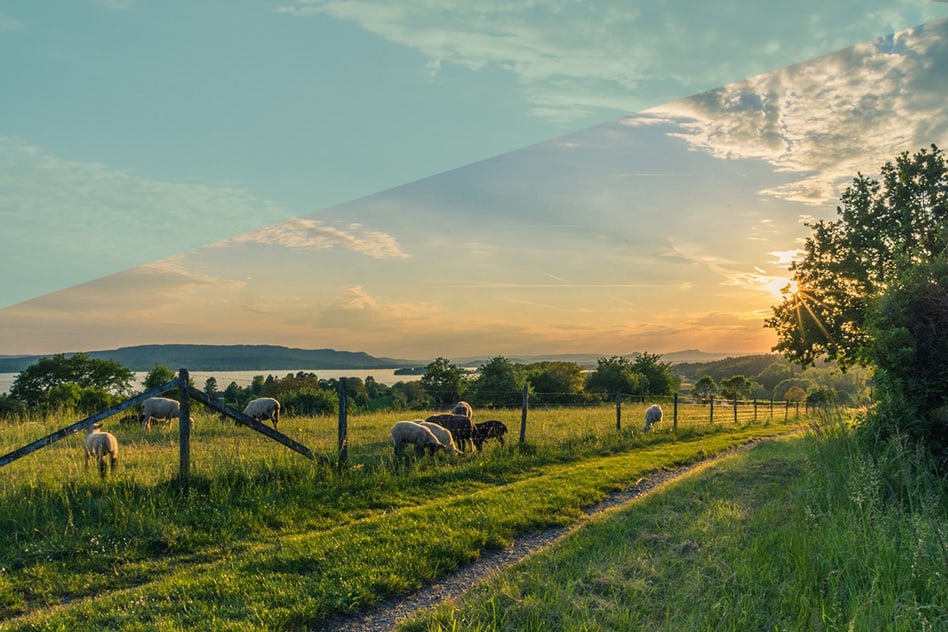 When Jesus refers to Himself as Shepherd, He uses an illustration common for people in Bible-time culture. The sheepfold is built in a large circle or rectangle with only one opening. The shepherd constantly guards that opening. At night, he literally lays his body down across the only opening so nothing can enter and harm the sheep. He also keeps the “roamer” in. Anything crossing that opening would pass through him first. Indeed, he keeps the good in and the bad out.
To be a healthy person, you need to become a gatekeeper to your life.
- Protect what is entrusted to you.
- Be who God created.
- Value your life.
- Ask Him for wisdom to teach you how to be gate keeper of your time, energy, relationships, money, work and relaxation.
Scriptures About How Boundaries Help
- “The angel of the Lord encamps around those who fear Him, and He delivers them.” (Ps. 34:7) You’re not alone reinforcing boundaries.
- “As the mountains surround Jerusalem, so the Lord surrounds His people from this time forth and forevermore.” (Ps. 125:2) The Good Shepherd helps you keep good in and bad out.
- “With the Lord there is steadfast love and plentiful redemption.” (Ps. 130:7) Boundary mistakes can be corrected.
- “I calm and quiet my soul.” (Ps. 131:2a) Also see “I Have Behaved” for an excellent look at this verse in 7 translations!
Application Thoughts And Questions
- Make a list of your greatest challenges in setting/keeping good boundaries:
- What specific things will you establish and reinforce for healthy boundaries in your Tabernacle life?
- What poor boundaries are present?
- What priorities should you change?
- Have you accepted the Lord as your Good Shepherd?
- Do you respect other’s good boundaries?
I just want to leave you with this: Jesus, Himself, lived with boundaries!
I invite you to follow us on your favorite social media. Do sign up on our email list to receive weekly articles. PLUS tune-in to our weekly podcast using your preferred podcast app, or use our online player at the top of each article.
Visit our website for resources to get into God’s Word and live an Alive and Active Life.